
What Confidence Actually Sounds Like
Rarely loud, seldom long, and never apologetic. Confidence is the moment you stop needing permission, and you can hear it in the smallest decisions of an ordinary day.
I have been handed a great many boxes over the years: the fashion one (I do wear a lot of black), the English one who lives on tea (guilty), the Portuguese one who must know Ronaldo (sadly not), the city girl who would be bored within a month in Portugal (twenty-odd years on, still waiting), and the homeopath who must dabble in a little witchcraft (the broomstick stays in the cupboard). Most arrive with good intentions, in slightly the wrong size. They used to infuriate me. Now they make me laugh, and I rather enjoy the look on people’s faces when I turn out to be nothing like they expected. The person holding out the box usually reveals more about themselves than about you. A box makes someone manageable, and that need has never struck me as a strength.
Where I have landed is this: confidence has little to do with how loudly you speak, and everything to do with not needing anyone’s approval. Finding your voice is less about having something to say than about losing the habit of checking the room first.
I have written before about what I won’t do for money, and saying no is where confidence shows most clearly. The assured no is short. It doesn’t come with three paragraphs of reasons, an apology and a counter-offer; anyone who explains a refusal at length is really asking to be forgiven for it. The most self-possessed people I have worked with, editors and clients alike, made the shortest requests and gave the shortest refusals. “No, thank you” is a complete sentence, and a kind one: it leaves nobody guessing.
Clothes tell the same story. Years around fashion cupboards taught me that the best-dressed woman in the room is rarely wearing this season. She worked out what suits her, often long ago, and stopped auditioning alternatives. A uniform is not a failure of imagination; it is a decision made once. Fitting in asks you to keep adjusting to everyone else. Belonging only asks you to turn up as yourself.
Most confidence is never announced. It lives in unremarkable moments: leaving a party when you have had enough rather than when it is polite, letting a silence sit at dinner, admitting you haven’t read the book everyone is discussing, sending back the wrong dish without a speech, inviting people round when the house isn’t perfect, changing your mind out loud. None of it will be photographed. All of it adds up to a woman at ease in her own life.
The same judgement applies to friendship, perhaps more than anywhere. Fewer and better works for friends as well as wardrobes. The ones worth keeping hold you up: pleased when things go well for you, honest when they don’t, and never once trying to fit you into a box. The others, who leave you feeling slightly smaller after every lunch, can go without ceremony. Nobody needs to be told; you stop making the time.
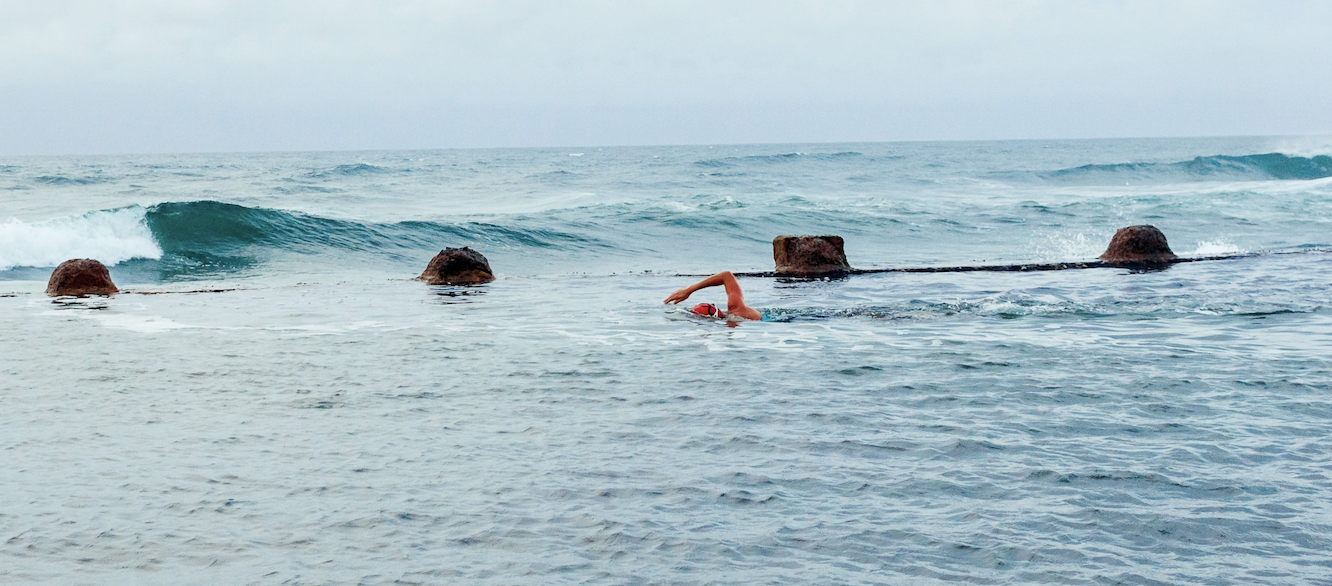
I adore eccentric people for much the same reason. England has always produced them: the woman who swims in the sea every January morning and walks home in a flowered cap and her late husband’s cardigan, the neighbour whose garden is gloriously wrong by every rule in the magazines. They are not trying to be different. They have simply stopped trying to be the same, and there is a freedom in that most of us spend years working towards.
Some of this, I suspect, comes with age. I care far less about other people’s opinions than I did at twenty, and I would give a great deal to hand that ease back to the girl who changed her outfit three times before every party. There are mornings now when I dress more or less in the dark and leave the house, heaven forbid, without a scrap of make-up; my younger self would have sworn hell would freeze over first. The freedom of not caring is far greater than I ever imagined. Nobody can teach it to you. You arrive at it slowly, somewhere between the first grey hair and the realisation that most people are too busy worrying about themselves to judge you at all.
If there is one thing I would like my children to inherit, it isn’t a particular way of dressing, speaking or living. It is the knowledge that a box can be politely declined. The boxes will keep arriving, for them as they did for me. They are allowed to leave them on the doorstep.
That, in the end, is what confidence sounds like: very little, said warmly, with nothing to prove.
P.S. I’d love to know which box you’ve been handed, and whether you’ve kept it. Write to me at hello@theworldofmrsh.com.
Essays like this arrive first in The World of Mrs H on Substack. Subscribe here.