
The One Thing I Won’t Have in My Kitchen
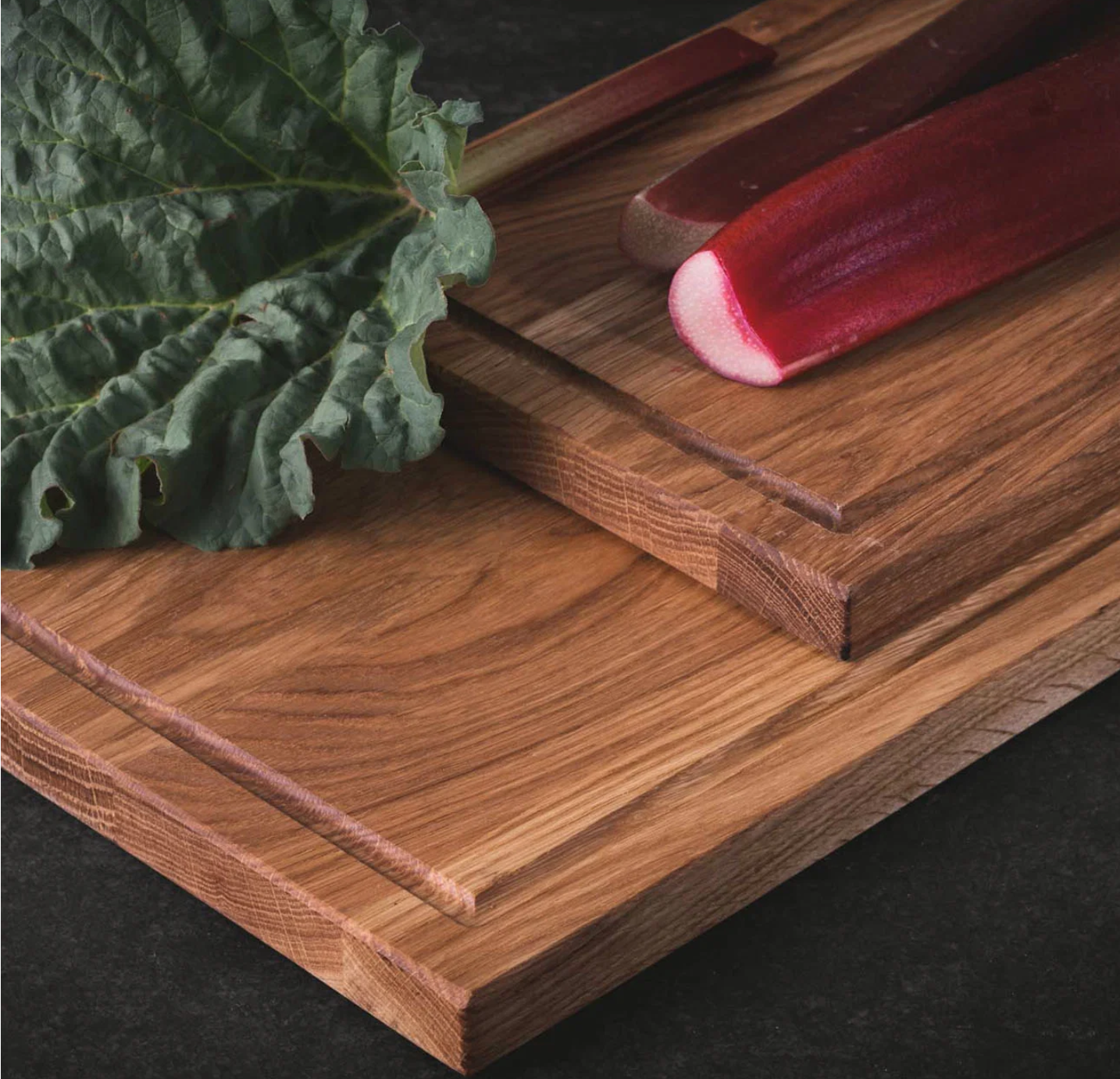
I had friends over for dinner not long ago, and one of them picked up my new chopping board mid-conversation, ran a hand over the grain, and asked where I'd found it. Beautiful, she said, and she was right, it's exactly why I bought it. Holz-Leute, I told her, a family workshop in Germany that's been making things from wood since 1873, solid beech, the sort of thing built to outlast me and the kitchen it's standing in. That one small question turned into the whole evening's conversation, about plastic, about what's still quietly sitting in most of our kitchens, and whether any of us had really stopped to ask what it's doing there. I don't think most people have, and I hadn't either, not properly, until I did.
Change is never easy, especially to the small, practical things we've stopped even noticing, and I believe in adapting when the facts change, because the facts here have changed. Plastic in the kitchen carries a toxic load. That's no longer a theory, it's a finding: researchers examining brain tissue found significantly more microplastic there than in the liver or kidney, with levels up roughly fifty percent since 2016 alone, tracking the rise in global plastic production almost exactly. Brains from people who had died with dementia carried noticeably more than those without. Once you've read that, you can't unread it.
Four Swaps
Four deliberate choices, each simple enough to make on your very next shop.
Nor is it only what we eat and reheat. It's also what we drink. A Columbia University study found an average of 240,000 detectable plastic fragments in a single litre of bottled water, ten to a hundred times more than earlier estimates had suggested, most of it simply the bottle, quietly shedding into what we drink from it, which is why mine has been replaced with a filtered jug and a steel bottle, and why I've stopped buying food, where I can help it, that comes wrapped in plastic in the first place, choosing loose, paper, or glass instead.
It helps to understand how it actually happens. Plastic isn't inert. It scratches, it warms, it wears, and every time it does, microscopic fragments come loose into whatever it's touching, your leftovers, your cooking, your chopped vegetables, and the more worn the plastic, the more it sheds, which means the items we trust most, the ones that have served us well for years, are usually the worst offenders. It's what's happening in a tub of leftovers each time it's reheated.
It's what happens when a spatula meets a hot pan, shedding just as quietly into the soup rather than onto a plate, which is why I've moved to wood and steel there too, both of which happen to outlast plastic by years besides, though I'd add that silicone isn't the safe swap it's marketed as either, so I've been just as selective with that. It's also what my friend's chopping board question turned out to be about: a single knife stroke sheds hundreds of tiny fragments straight into the food beneath it, and the older and more grooved the board, the worse it gets, which is exactly why the German beech one earned its place on my counter.
None of this happened overnight, and it doesn't need to in your kitchen either. Start with one swap, the one that feels easiest, and let the rest follow when it's ready to. It doesn't feel like much in the moment, but in the long run, it will have a real impact on your family's health.
A Note from Mrs H
Start with one swap, the one that feels easiest, and let the rest follow. That's how it worked for me.