
The Forty Days We Never Take
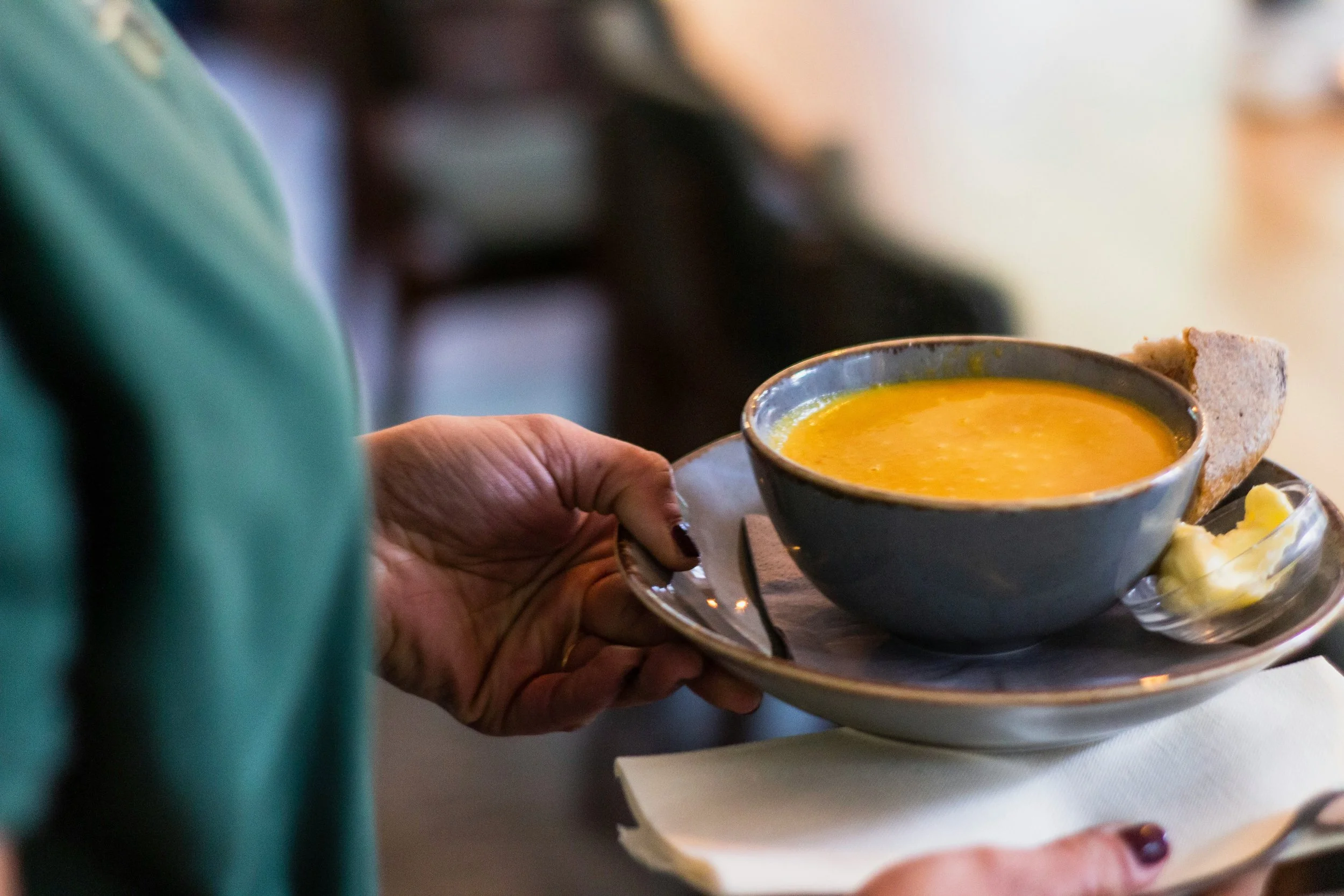
My father-in-law, a doctor, called on day two with the same certainty he'd bring to any diagnosis. Guinness, he said, for the iron — get a case in, drink one a day. The maternity wards used to hand it out themselves, no questions asked. He wasn't inventing this: “Guinness is Good for You” was a real slogan, and Irish maternity wards handed nursing mothers a bottle a day for decades, back when the old recipe's live yeast genuinely was iron-rich.
What struck me wasn't the Guinness. It was that a doctor, in a Western country, was still reaching for a recovery tradition at all — because we barely have one left. Most Western mothers get a single six-week check-up and are told, in effect, to get on with it. Almost everywhere else, recovery isn't something a new mother is expected to manage alone.
A World of Recovery
- Korea — Seaweed soup at nearly every meal for three weeks, while family run the household.
- China — Zuo yuezi, “sitting the month”: thirty days of warmth, rest, and being cooked for.
- India — Forty to sixty days of confinement, built around warm oil massage and restorative food.
- Mexico — La cuarentena: forty days handed to relatives, so healing is the mother's only job.
- Nigeria — Omugwo: a grandmother moves in for weeks to run the house.
- The West — Once had “lying-in,” weeks of bed rest tended by family and midwives. It faded as productivity took over, and little structural replaced it — except in France, which still offers automatic pelvic floor physiotherapy and home nurse visits.
Somewhere between lying-in and the six-week check, the West quietly decided childbirth is a medical event and recovery is a personal failing if it takes too long. Every tradition in that list assumes the opposite: a body needs weeks, help needs organising rather than offering, and for a defined stretch a new mother's job is to heal, not to cope.
The case against
It would be dishonest to romanticise any of this without saying where it goes wrong. Zuo yuezi can tip into rules that have nothing to do with recovery and everything to do with control — no hair-washing, no leaving the room, no crying. La cuarentena carries its own taboos, some of them squarely about policing a woman's body rather than resting it. Plenty of daughters raised inside these traditions have pushed back against their mothers precisely because rest, at that intensity, can curdle into isolation — and isolation, not rest, is one of the things we now know raises the risk of postnatal depression rather than lowering it.
So the tradition isn't the point. The instinct underneath it is.
Strip away the specifics and the same three things recur, wherever recovery is still taken seriously: real, nutrient-dense food, cooked with intention rather than grabbed standing up; rest that's protected as a matter of course, not something to apologise for; and someone else standing between the mother and the running of the house. None of it requires an extended family down the street or a government mandate. It requires deciding those three things are non-negotiable, not optional extras for whoever has the energy left to arrange them.
Watch for the dip. Low, weepy days in the first fortnight — the baby blues — are common and usually pass within two weeks. If the low feeling hasn't lifted by then, or it's getting heavier rather than lighter, that's not weakness, it's a signal. Tell a midwife or a GP. Acknowledging it early is recovery, not a failure of it.
A Note from Mrs H
The forty days were never going to be given. Take them anyway.
— Mrs H